Teacher Education Arts: Design Review for Real Embroidery Projects
First Impressions: A Clean, Versatile Icon for Educational Themes
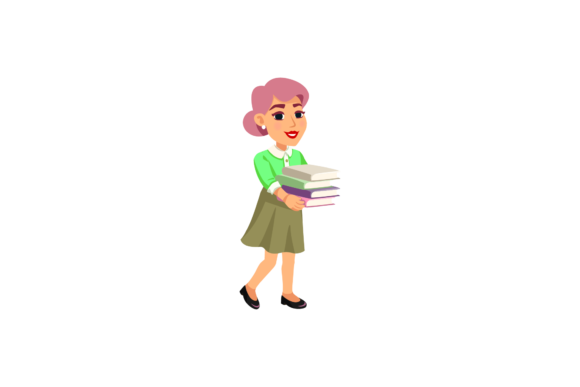
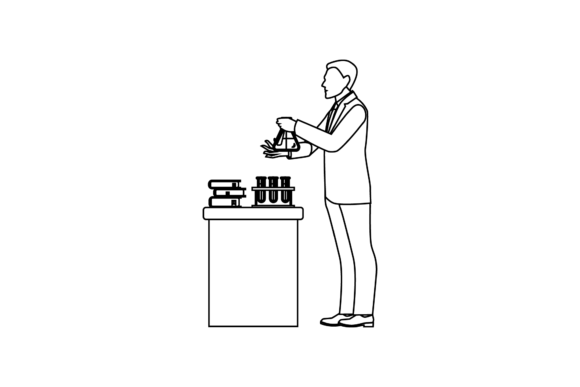
When I first opened the Teacher Education Arts design file, what stood out was its clean, minimalist approach to a classic educational theme. It’s clearly aimed at educators, school-related gifts, or boutique items for teachers. The layout feels intentional—balanced without being stiff, detailed without being overwhelming. It’s the kind of icon that could work in both modern and traditional embroidery styles, which immediately makes it appealing for a variety of projects like tote bags, baby clothes, or embroidered patches.
How It Works in Real Embroidery: From Sweatshirts to Baby Onesies
I tested the Teacher Education Arts design on a few different fabric types to get a sense of how it would stitch out in real life. On a medium-weight cotton tote bag, the design held up beautifully. The satin and fill stitches blended well, giving it a polished, professional finish. When I moved to a soft baby onesie, I was concerned about the density of the design near the center—but with a quality stabilizer underneath, it stitched cleanly without puckering.
For sweatshirt embroidery, I scaled it down slightly and was happy with how it looked on fleece. The lines stayed crisp, and the overall shape didn’t get lost in the texture of the fabric. This makes it a solid choice for seasonal teacher gifts, especially around back-to-school or Teacher Appreciation Week.
Where to Use It—and Where to Be Careful
Teacher Education Arts works best on flat, stable surfaces like tote bags, aprons, and pillow covers. It’s also a good fit for personalized gifts when paired with a name or date. That said, I wouldn’t recommend using it on very small hoop sizes without simplifying the design first. The details in the corners can get compressed and may not stitch cleanly on tiny surfaces like a cap brim or a curved patch.
On stretchy or thin fabric, like a lightweight T-shirt, be sure to use a cutaway stabilizer. I noticed that the satin stitches can sink slightly into looser weaves, making the edges look uneven. On dark fabrics, thread color contrast becomes critical—especially in the background elements. Always test with a few thread shades before committing to the final piece.
Design Impact: Visual Appeal and Customer Perception
From a visual standpoint, this design reads as professional and thoughtful—exactly the kind of look you want when creating handmade products for teachers or educational-themed gifts. It adds value to the finished item without overpowering it, which is key when you're selling on Etsy or at a craft fair.
What impressed me most was how well it translated across different product types. Whether stitched onto a holiday gift like a personalized tea towel or used as a subtle logo on a boutique tote, it maintained its identity. That kind of consistency is important for brand recognition, especially if you’re building a line of teacher-themed merchandise.
Practical Notes for Embroidery Designers
Here are a few practical tips I picked up while working with the Teacher Education Arts design:
- Test on scrap fabric first—especially if you're using it on a new material or with a different machine.
- Check thread color contrast carefully, especially on dark or patterned backgrounds.
- Review stitch density if you’re using it on stretchy or delicate fabrics.
- Confirm hoop size before stitching—don’t assume it fits your machine without checking.
- Inspect small details after stitching to make sure no elements got lost in translation.
- Test in black and white mockups to see how it reads without color influence.
- Compare light and dark fabric backgrounds to find the most visually appealing combination.
- Use proper stabilizer based on fabric type—cutaway for stretchy materials, tear-away for stable cottons.
- Check licensing if you plan to sell the finished product or offer it as a digital embroidery file.
Final Thoughts: A Reliable Icon for Educational Crafts
Overall, the Teacher Education Arts design holds up well across a range of real embroidery applications. It's versatile enough to be used in custom apparel, holiday embroidery, or commercial embroidery projects. As a designer, I appreciate how it maintains clarity and charm at different sizes and on various materials.
For small shop owners, Etsy sellers, or crafters looking to expand their digital product offerings, this is a solid addition to your design assets. Just be mindful of fabric type, stabilizer use, and thread color choices to ensure the best possible outcome on every finished product.